
You flip on the bathroom light late at night. Something silver darts across the tub and slips under the vanity. It wiggles like a tiny fish, and then it is gone.
That was a silverfish. Where there is one, there are usually more. They hide all day and feed at night, so most people find the damage long before they find the bugs.
Good silverfish control starts with one fact. These insects need damp air to live. Take the moisture away and you take away their home. Here is how to spot them, why they moved in, and the steps that get rid of them.
What does a silverfish look like?
Silverfish never grow wings. Adults reach about 3/4 inch long. The body is flat and shaped like a teardrop, wide at the head and thin at the tail. Tiny scales give it a silver to gray-brown shine.
Look at the back end to be sure. A silverfish has three long, thin tails. Two long antennae stick out the front.
Its cousin, the firebrat, looks almost the same but darker. Firebrats like heat above 90°F. You find them near water heaters, ovens, and furnaces. The fix for both bugs is close to the same.
Signs of a silverfish infestation
Silverfish stay out of sight, so the clues usually show up first. Check closets, bookshelves, bathroom cabinets, and boxes in the garage for these signs.
- Holes and notches in paper. Book pages, mail, cardboard, and photos get ragged edges. Some spots look scraped thin.
- Yellow stains. Look on paper, stored sheets, and clothes you have not worn in a while.
- Tiny black droppings. They look like ground pepper. Check shelves, drawers, and baseboards.
- Shed skins. Silverfish molt their whole lives. The skins are thin, clear, and shaped like the bug.
- Peeling wallpaper. They eat the paste behind it. The paper starts to bubble and lift.
- Live bugs at night. Sinks, tubs, and the cabinet under the kitchen sink are the usual spots.
One bug in the tub does not mean much. A bug in the tub, droppings in the linen closet, and chewed boxes in the garage mean a group has moved in.
What causes silverfish in the house?
Damp air
Moisture is the main cause. Silverfish do best when humidity stays above about 70 percent. That is why bathrooms, laundry rooms, attics, and garages draw them in. A slow leak under a sink can keep one room damp all year. So can a bathroom with no working fan. Our Gulf Coast air does not help.
Food they like
Silverfish eat starch and protein. In the pantry, that means flour, rolled oats, dry cereal, and pet food. Around the house, they eat paper, cardboard, book glue, and wallpaper paste. They also chew starched cotton and linen.
Places to hide
Clutter gives them cover. Stacks of newspaper, old magazines, and cardboard boxes are perfect. Outdoors, they live under mulch, leaves, rocks, and woodpiles. They come inside through gaps around pipes and the foundation. They also ride in on boxes from the garage or a storage unit.
Are silverfish harmful?
Silverfish do not bite or sting. They are not known to spread disease to people. The harm is to your things.
Serious damage usually takes a large group living in one place for a long time. That’s the catch. A silverfish can live two to eight years. One female can lay more than 100 eggs. The problem grows slowly, and it does not leave on its own.
How to get rid of silverfish, step by step
These steps work best done together. Drying the house is the one step you cannot skip.
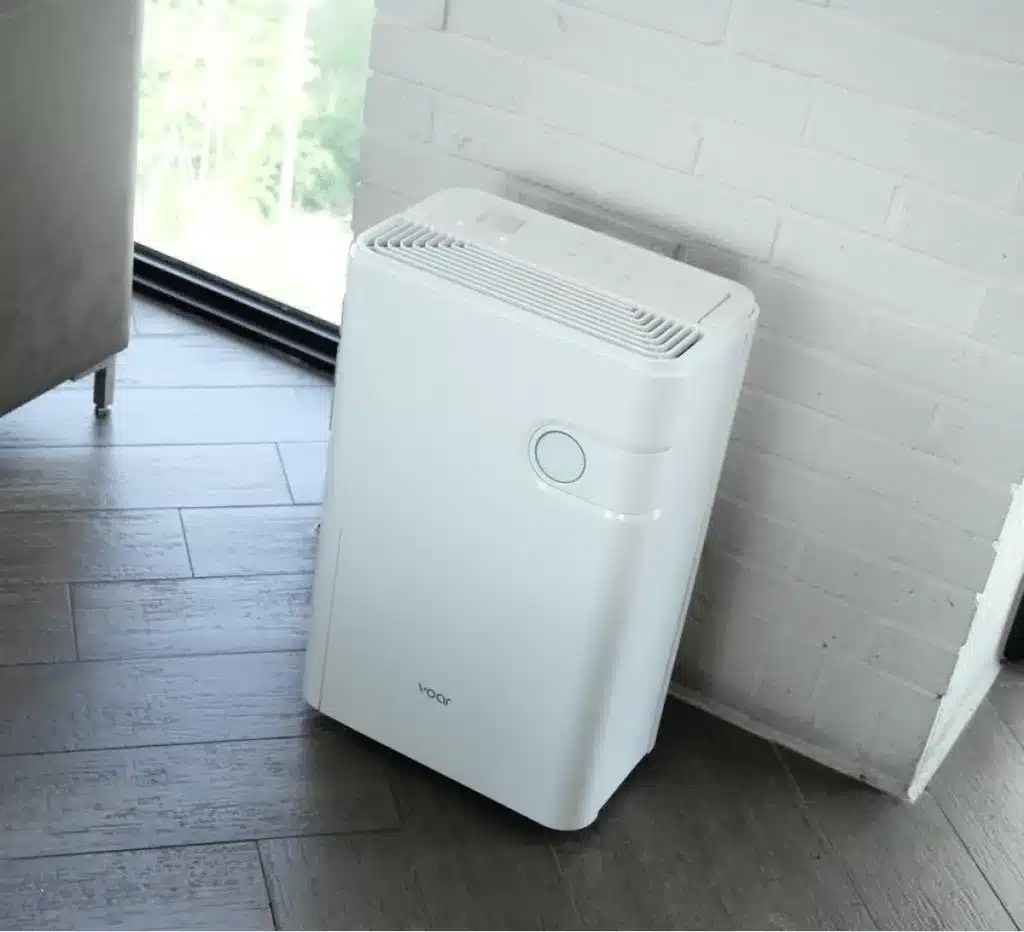
- Dry the house out. Fix drips under sinks and around tubs. Run the bathroom fan during and after every shower. Put a dehumidifier in damp rooms. Aim to keep indoor humidity below 50 percent. A cheap hygrometer tells you where you stand.
- Take away their food. Move flour, cereal, oats, and pet food into sealed glass or plastic containers. Recycle old stacks of paper. Swap cardboard boxes in closets and the garage for plastic bins with tight lids.
- Vacuum the hiding spots. Go slow along baseboards, shelves, closet floors, and cracks. This pulls up bugs, eggs, and droppings. Empty the vacuum outside when you finish.
- Set traps to find hot spots. Put sticky traps along walls where you have seen activity. You can also wrap a glass jar in tape and put a piece of bread inside. Silverfish climb the tape and fall in. They cannot climb the smooth glass back out. Count what you catch. That tells you where to focus.
- Use dusts and baits with care. Boric acid baits and dusts work when placed in cracks and gaps where silverfish travel. Diatomaceous earth works in the same spots. Keep both away from kids and pets, and follow the label every time.
- Seal the cracks. Caulk gaps around pipes under sinks, along baseboards, and around window frames. Fewer cracks means fewer places to hide.
Traps alone rarely wipe out a large group. Use them to find the problem. The other steps do the real work.
When to call for professional silverfish control
Sometimes the home fixes are not enough. Call a pro if any of these are true:
- You still see silverfish after a few weeks of drying the house out.
- You find signs in more than one room.
- Books, papers, or keepsakes you care about are getting chewed.
- You find firebrats near the water heater or furnace.
A trained tech can find moisture you cannot see. That might be a damp spot under the house, in the attic, or inside a wall. The tech then treats the cracks and gaps where silverfish hide, instead of spraying open floors.
At Bugmobiles, silverfish are part of our customizable pest control packages. We can set up regular visits and free re-sprays when you need them. You can pick a one-time service with a 30-day guarantee or a one-year service package. If you want lower-impact options, ask about our green pest control programs.
How to keep silverfish from coming back
Once they are gone, a few habits keep them gone.
- Keep indoor humidity below 50 percent, most of all in bathrooms and closets.
- Store papers, photos, and off-season clothes in sealed plastic bins, not cardboard.
- Open boxes from the garage or storage outside before you bring them in.
- Keep mulch two inches below the slab edge and a few inches off the siding.
- Point downspouts and AC drain lines away from the house.
These same moisture fixes help keep out roaches and termites. Our guide to the signs of a cockroach infestation covers what else to watch for in damp rooms.
Silverfish also stay busy through our mild winters. If the weather is cooling off, our fall and winter pest prevention guide has a full checklist for your home.
Get silverfish control that lasts
Silverfish are a moisture problem first and a bug problem second. Dry the air, seal up food and paper, and treat the cracks. After that, they have nowhere left to live.
If they keep showing up, let us take a look. Bugmobiles is a family-owned company that has served South Texas homes since 1954. When you call, a real person answers. A tech calls you back within a day and does a free inspection. That is the fastest way to get silverfish control that holds.
Call (361) 575-6401 or request service online. Check our service areas to find the office nearest you.